
Industry News
August 04, 2026
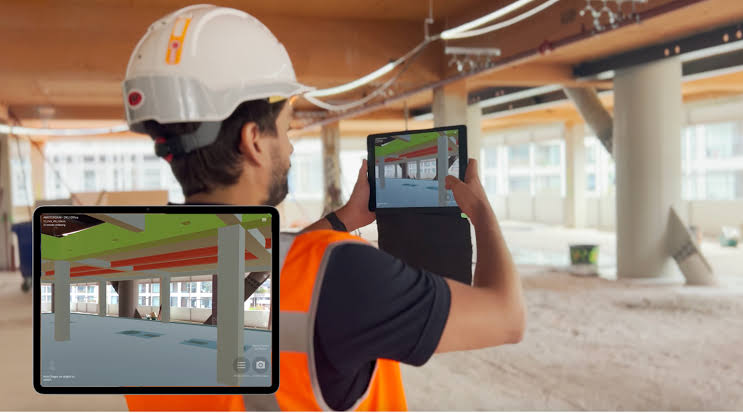
Augmented reality is moving from experimental construction technology to a practical field tool. By bringing BIM models directly into workers’ real-world view, AR can help teams visualize planned work before installation, identify potential issues earlier, reduce rework, and make faster decisions on site. The growing focus on usability and field adoption signals a broader shift toward connected, hands-free construction workflows.
July 06, 2026
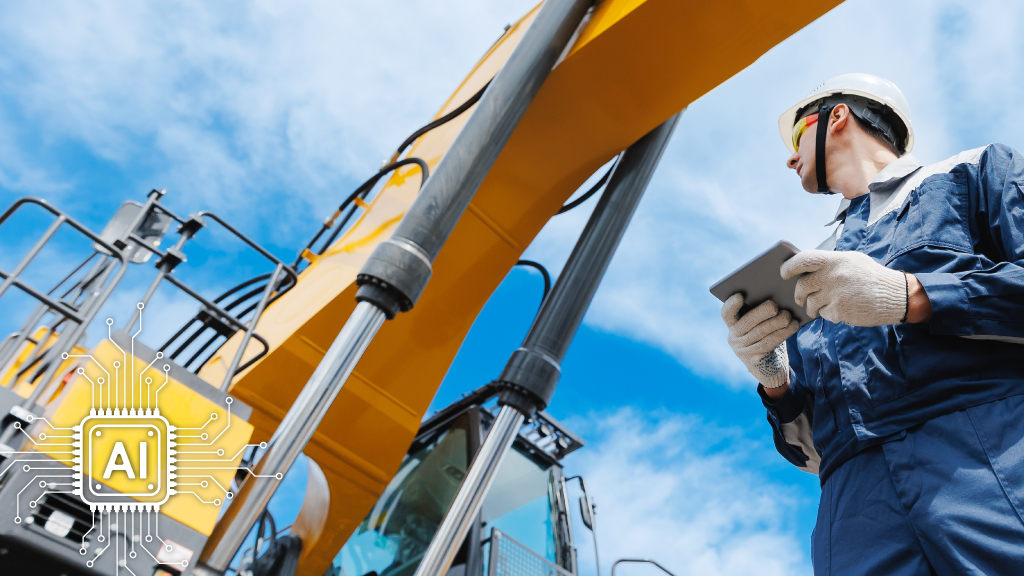
Canadian construction companies are showing growing interest in artificial intelligence as pressure increases to improve productivity, manage labour constraints, and make better use of project data. AI applications are expanding into scheduling, safety management, quality control, forecasting, logistics, and BIM-connected workflows, although skills, trust, and data security remain important barriers to wider adoption.
April 12, 2026

Digital twins are becoming an increasingly important part of Canada’s construction and infrastructure technology landscape. By connecting physical assets with real-time project and operational data, these systems can improve coordination, inspection, planning, and decision-making. Canadian projects are already using digital twins, spatially linked field information, LiDAR, analytics, and 4D scheduling to create a more connected view of construction progress and asset performance.
October 30, 2025

Structural design is entering a new age — and Genia Design is leading the way. Headquartered in Toronto, the company is redefining how engineers approach building design with its intelligent platform. By combining advanced AI with structural expertise, Genia enables engineers to produce code-compliant, optimized designs in minutes rather than days. The result is faster delivery, greater precision, and a new standard of efficiency for modern construction teams across Canada and the U.S.
October 23, 2025
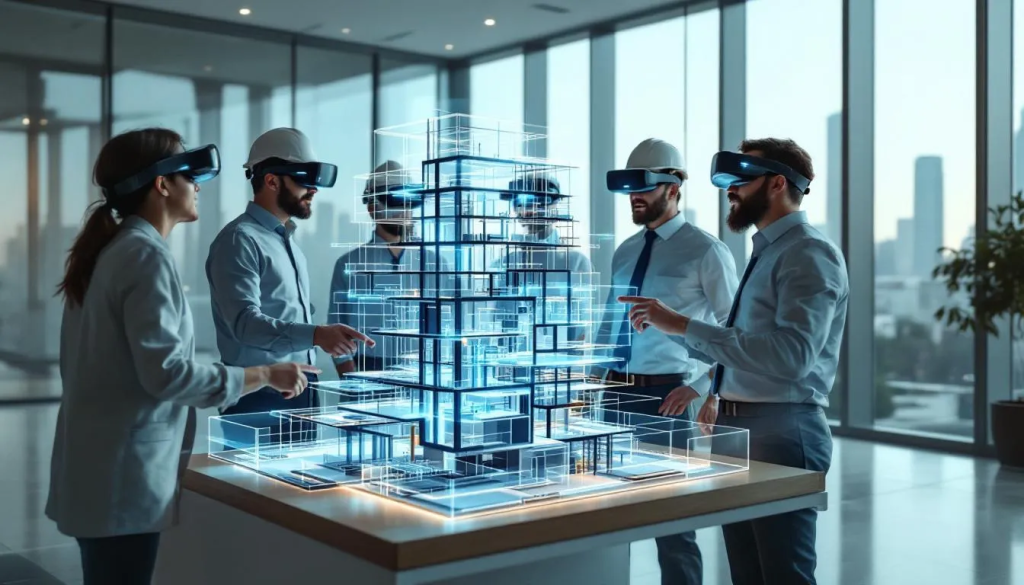
The global construction sector is entering a new phase of digital transformation powered by Extended Reality (XR) technologies. According to a new market analysis, the construction XR market is projected to more than double between 2025 and 2029, reaching US$15.54 billion. As builders, engineers, and developers increasingly turn to immersive visualization and data-driven design, XR is becoming a cornerstone of smarter, safer, and more efficient construction worldwide.
October 13, 2005
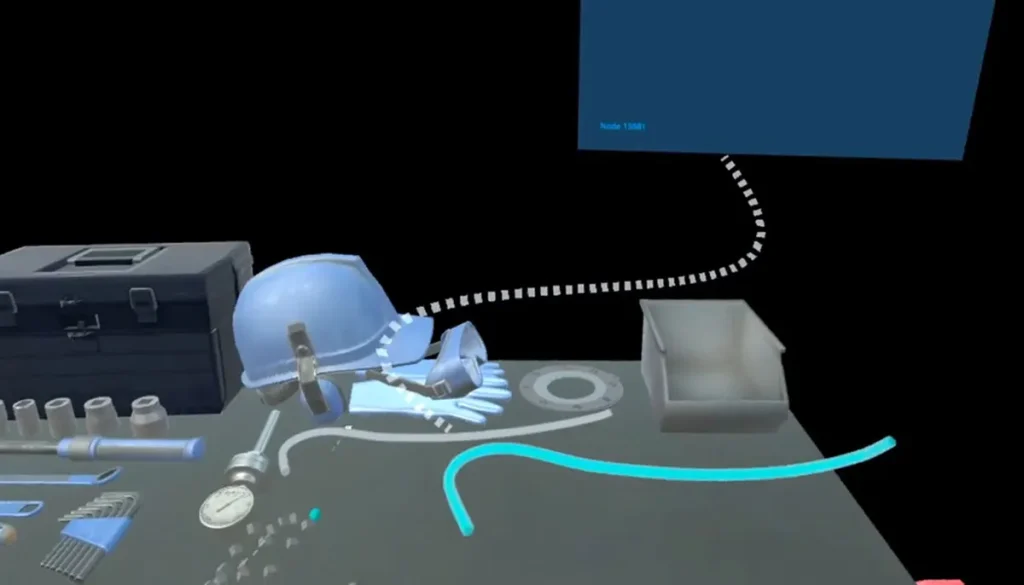
Virtual Reality is no longer an experimental tool—it’s becoming a cornerstone of modern construction. By turning complex Building Information Models (BIM) into immersive, interactive experiences, VR enables teams to design, plan, and train with greater precision. From collaborative design reviews to on-site safety simulations, construction professionals are using VR to reduce errors, accelerate decision-making, and bridge the skills gap. As adoption grows, the industry is entering a new era where building smarter also means building safer.
August 25, 2025

From AI-powered automation to digital twins and cloud collaboration, the construction industry is redefining how projects are planned, inspected, and delivered. After years of supply chain disruption and rising labor costs, builders are turning to intelligent platforms and connected workflows to work smarter, not harder. These five innovations—driven by data, automation, and next-generation content management—are setting a new standard for productivity, safety, and sustainability across every jobsite.
June 25, 2025
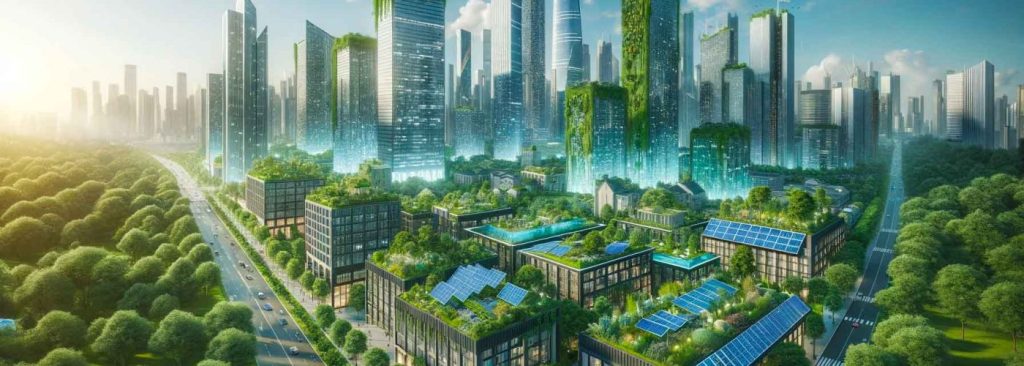
As climate risks intensify across Canada, a new report from the Canadian Construction Association (CCA) and the Canada Climate Law Initiative (CCLI) is urging industry leaders to integrate climate governance into core decision-making. Building Resilience: A Guide to Climate Governance for Canada’s Construction Sector provides practical tools and legal context to help companies address emissions, strengthen resilience, and prepare for a low-carbon future, positioning climate readiness as both a strategic responsibility and a competitive advantage for the sector.
May 9, 2025
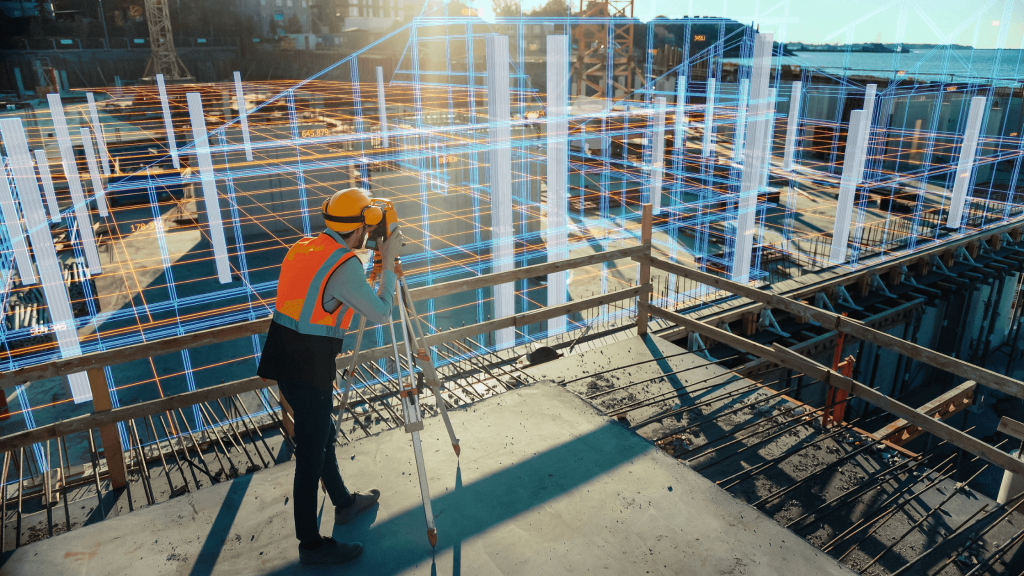
The construction industry is entering a new era of digital transformation — powered by Augmented Reality (AR) and Virtual Reality (VR). These immersive technologies are bridging the gap between concept and construction, enabling teams to visualize designs in real time, prevent costly errors, and enhance on-site safety and collaboration. By integrating AR and VR into every stage of the building process, companies can plan smarter, build faster, and deliver with greater precision — turning vision into reality before the first brick is laid.